 FR
FR  DE
DE  PT-BR
PT-BR  ES
ES Cuba Guide
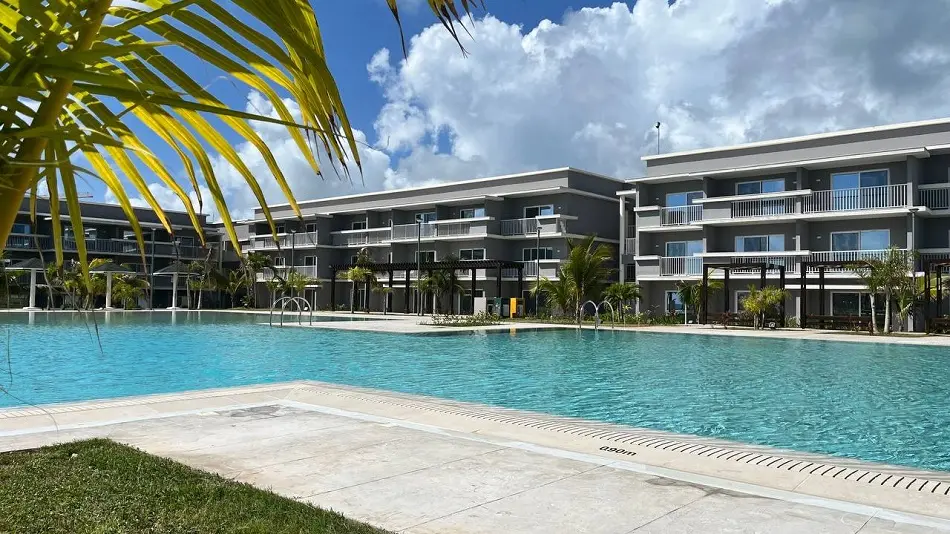
Get ready for the adventure of a lifetime at Vila Galé Cayo Paredón in Cuba. One of the Caribbean’s best-kept secrets!
Close your eyes and teleport to a paradise-like white sand beach, where the sun shimmers and the crystal-clear waters invite you to take an invigorating dive. Now open your eyes because this dream is about to become an unrivalled reality!
Vila Galé is coming to Cuba and will open the All-Inclusive Vila Galé Cayo Paredón resort on 28 September, in Cayo Paredón Grande, 25 minutes from the Jardines del Rey airport.
Here you can leave all your worries behind. Enjoy a truly Cuban experience, where we eat, drink, dance, and relax with passion. Savour delicious dishes, from the iconic ropa vieja to irresistible mojitos, and be sure to indulge in salsa moves by the pool!

Vila Galé Cayo Paredón
Looking for breathtaking romance? Family fun? Or do you just want to escape from routine? Whatever your holiday goal, at Cayo Paredón all dreams come true.
The rooms have stunning sea views, while the activities are as exciting as the vibrant Cuban beat. Dive, snorkel, explore with kayak trips – adventure awaits.
Time is running out, don’t wait any longer! Join us on this truly unique experience and allow yourself to live a few magical days with Caribbean joy. Book now and get ready for a holiday that will be coveted by all.
After all, life is too short not to be lived with passion and Cayo Paredón is the perfect place to start!
THE DEFINITIVE GUIDE TO AN UNFORGETTABLE TRIP!
Best time to travel:
The best time to visit Cuba is during the dry season, which runs from November to April. During this period, the climate is pleasant, with mild temperatures and less chance of rain. However, if you like the intense heat, you could consider the months of July and August.
Currency and exchange rate:
Cuba’s official currency is the Cuban Peso (CUP), but you can use US Dollars. Just remember that change will be given in CUP. Nowadays, you can get cash almost anywhere on the island, but be aware that in the Cayos it can be more difficult to find an ATM. So take cash with you, which you can exchange at bureaux de change (CADECA) or banks.
INFO: In Cuba, credit cards such as Visa and Mastercard, which have no ties to American banking institutions, are widely accepted.
How to get to Cayo Paredón Grande:
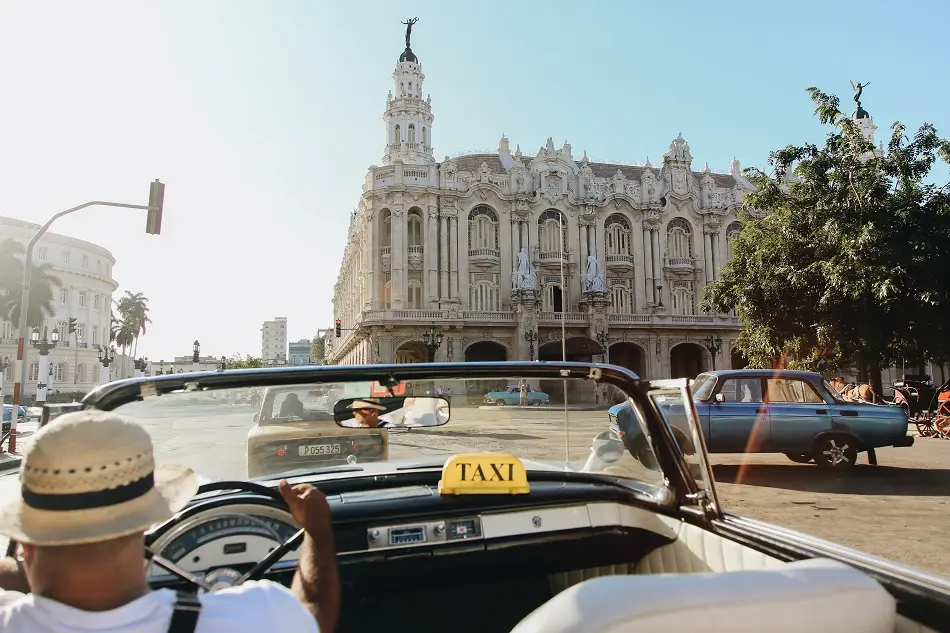
Cuba’s cayos (islands) are popular destinations for those looking for paradisiacal beaches. You can get to Cayo Paredón Grande by land or air. This cayo is 25 minutes from Jardines del Rey airport (Cayo Coco), which receives domestic flights. You can also choose to hire a car and take the opportunity to explore more of the country’s points of interest.
USEFUL INFORMATION
Visas for Cuba:
Most travellers need a visa to visit Cuba. The type of visa you need depends on your nationality and the reason for your trip. The two most common types of visa are:
1. Tourist Visa: This is the right visa for most travellers visiting Cuba for tourism. It allows a stay of up to 30 days, which can be extended for a further 30 days while in the country.
2. Visa for Other Reasons: If you are going to Cuba for reasons other than tourism, such as for work, study, or journalism, you may need a specific visa. Check the requirements with the Cuban embassy or consulate in your country.
You can usually apply for a Cuban visa through the Cuban embassy or consulate in your home country. In addition, some travel agencies and airlines can also help facilitate the visa application process.
ADDITIONAL TIPS
- Safety
Cuba is a safe destination for most travellers, but just like anywhere, it’s important to take basic safety precautions. Keep your personal belongings safe.
- Healthcare
Make sure you have health insurance that covers international medical expenses. Tap water in Cuba is not recommended for consumption, so drink bottled water and avoid uncooked food
- Electricity
Cuba uses two-pin type A and C sockets (not used in Portugal), with a voltage of 110 V. If you need adapters or power converters, take them with you.
- Communications
Internet access in Cuba can be limited and expensive. Many hotels offer Wi-Fi access, but the quality can vary. It’s advisable to buy a local SIM card if you need a constant connection during your stay.
EXTRA TIP: In the centre of Havana look out for the Etecsa shop to buy 6GB internet cards (with the option to top up).
- Tipping
Tipping is common in Cuba. It is customary to leave a tip of 10% to 15% in restaurants, and it is also appreciated by taxi drivers and service providers.
- Respect the culture
Cubans are friendly and warm people. Respect the local culture and be willing to learn a few basic Spanish words. Be respectful when taking photographs of people, and ask permission whenever possible.
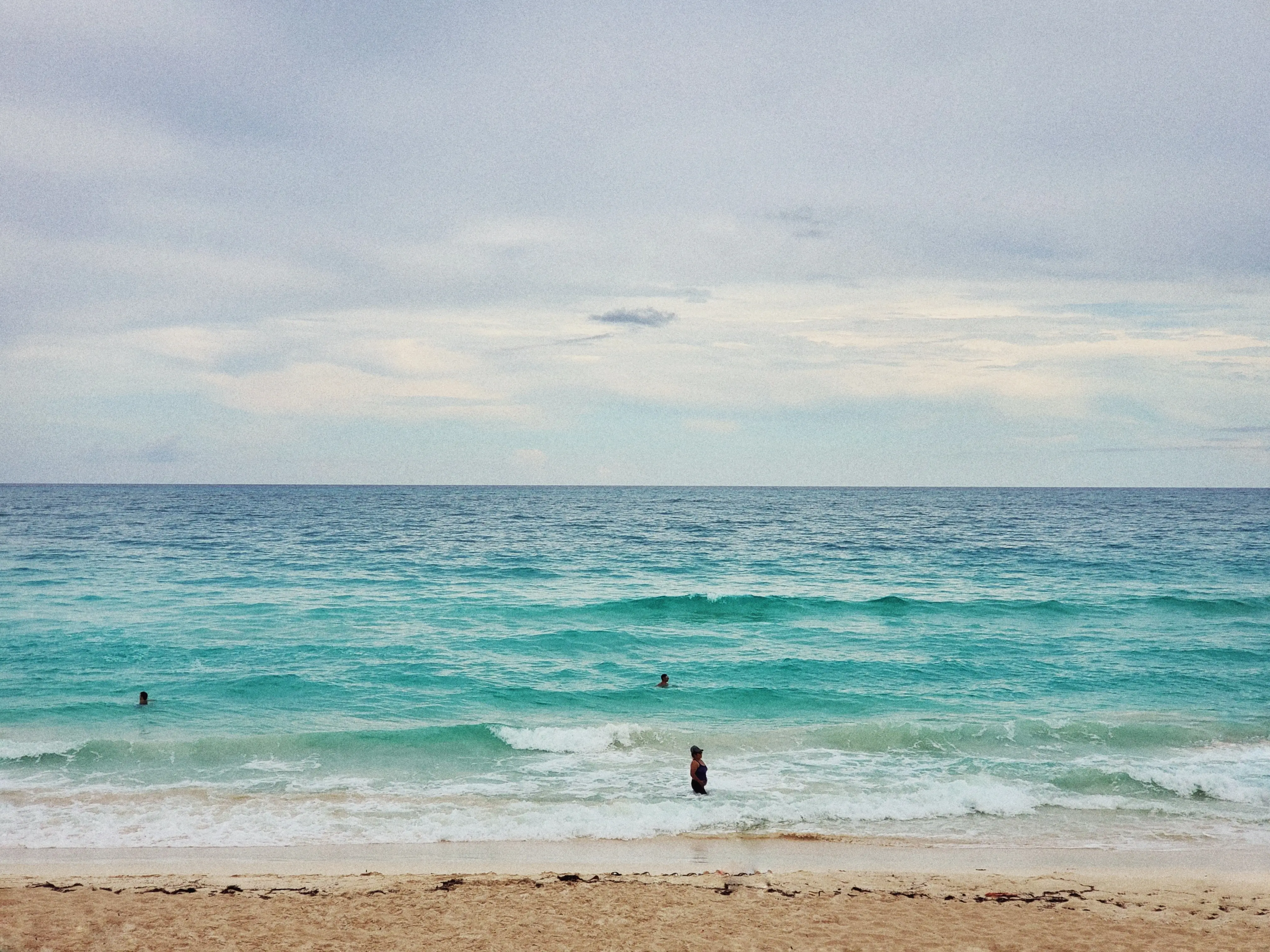
¡Cuba Libre! Essential phrases to stand out on the so-called “Flavour Island” (Isla del Sabor):
“Buenos días, ¿puede ayudarme?” – Good morning, can you help me?
“Quiero hacer el check-in” – I want to check in.
“¿Dónde está el restaurante?” – Where is the restaurant?
“Necesito más toallas, por favor” – I need more towels, please.
“¿A qué hora es el desayuno?” – What time is breakfast?
“¿Dónde puedo encontrar un buen restaurante cerca?” – Where can I find a good restaurant nearby?
“¿Cuál es la contraseña del Wi-Fi?” – What’s the Wi-Fi password?
“¿Me puede llamar un taxi?” – Can you call me a taxi?
“¿Puedo hacer una foto?” – Can I take a photo?
“¿Dónde está la playa?” – Where is the beach?
“¿Me puedes recomendar algún lugar que visitar?” – Can you recommend any places to visit?
“¿Cuál es la mejor playa de la zona?” – What is the best beach in the area?
“¿Dónde puedo comprar algún recuerdo?” – Where can I buy some souvenirs?
And to keep your social media up to date:
“¡Felices vacaciones!” – Happy holidays!
“Relajación total en la playa” – Total relaxation on the beach.
“Tomando el sol y disfrutando del mar” – Soaking up the sun and enjoying the sea.
“Días llenos de sol y diversión” – Days full of sun and fun.
“Rodeado/a de naturaleza y beleza” – Surrounded by nature and beauty.
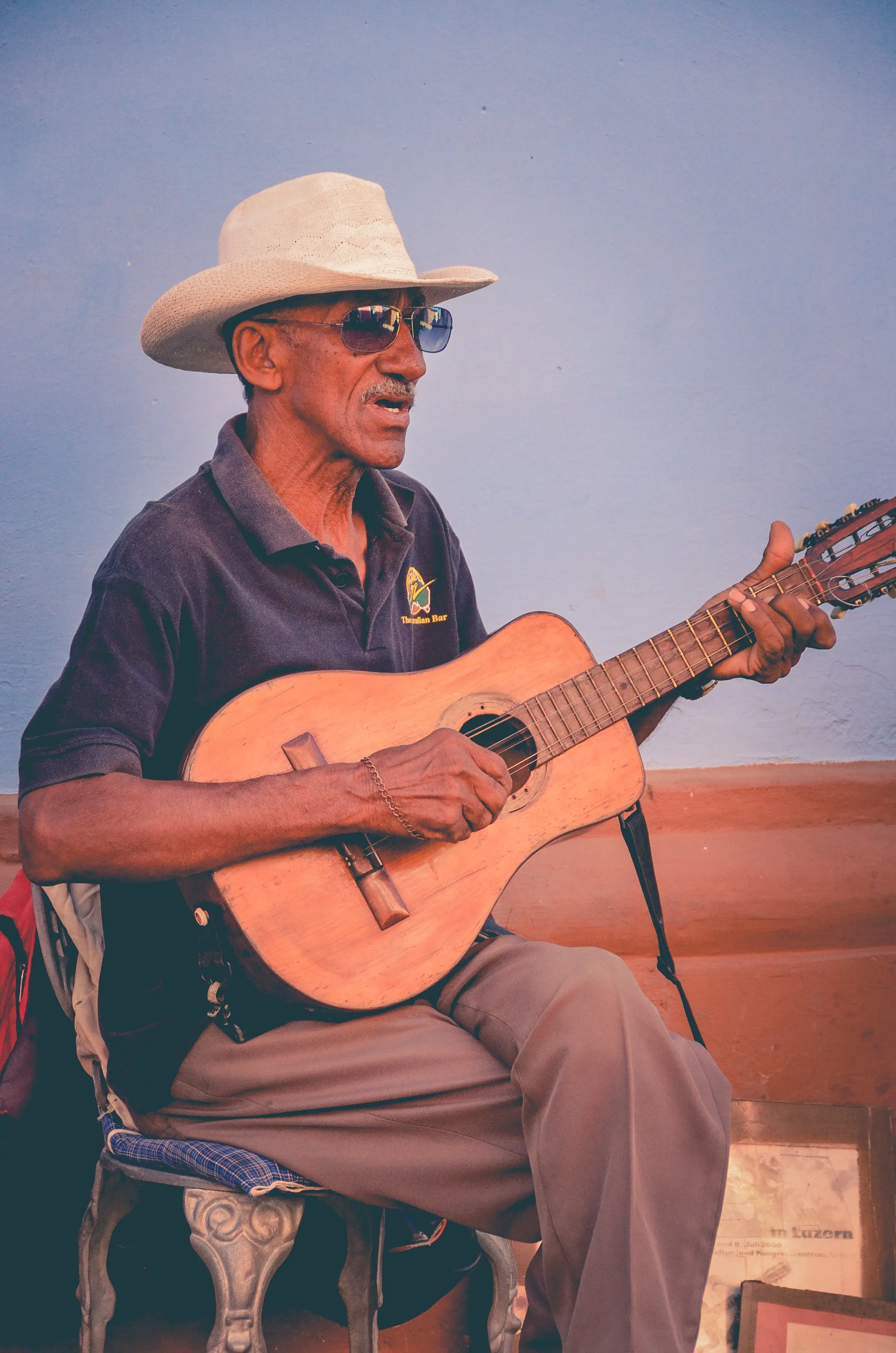
Culture, gastronomy, and music:
Culture: Cuba is rich in culture and history. Be sure to visit historical sites such as Old Havana, Trinidad, Pinar del Rio, and Cienfuegos. Explore museums, art galleries, and take part in local cultural events.
Gastronomy: Cuban cuisine is unique and influenced by various cultures, including Spanish, African, and Caribbean. Try traditional dishes such as rice and beans, ropa vieja (shredded meat), mojitos, and pina coladas. Do not miss the opportunity to eat at paladares, private restaurants offering delicious and authentic food.
GEEK INFORMATION: This country isn’t just made up of mojitos and Cuba Libre. The daiquiri became one of Cuba’s most popular drinks because it was Hemingway’s favourite (there’s even a special daiquiri with the recipe altered by him). When the American writer was in Cuba, he was a regular at the El Floridita bar and it is now a mandatory stop in Havana.
Music: Music is a fundamental part of Cuban culture. Enjoy live performances of salsa, son cubano, and rumba music